
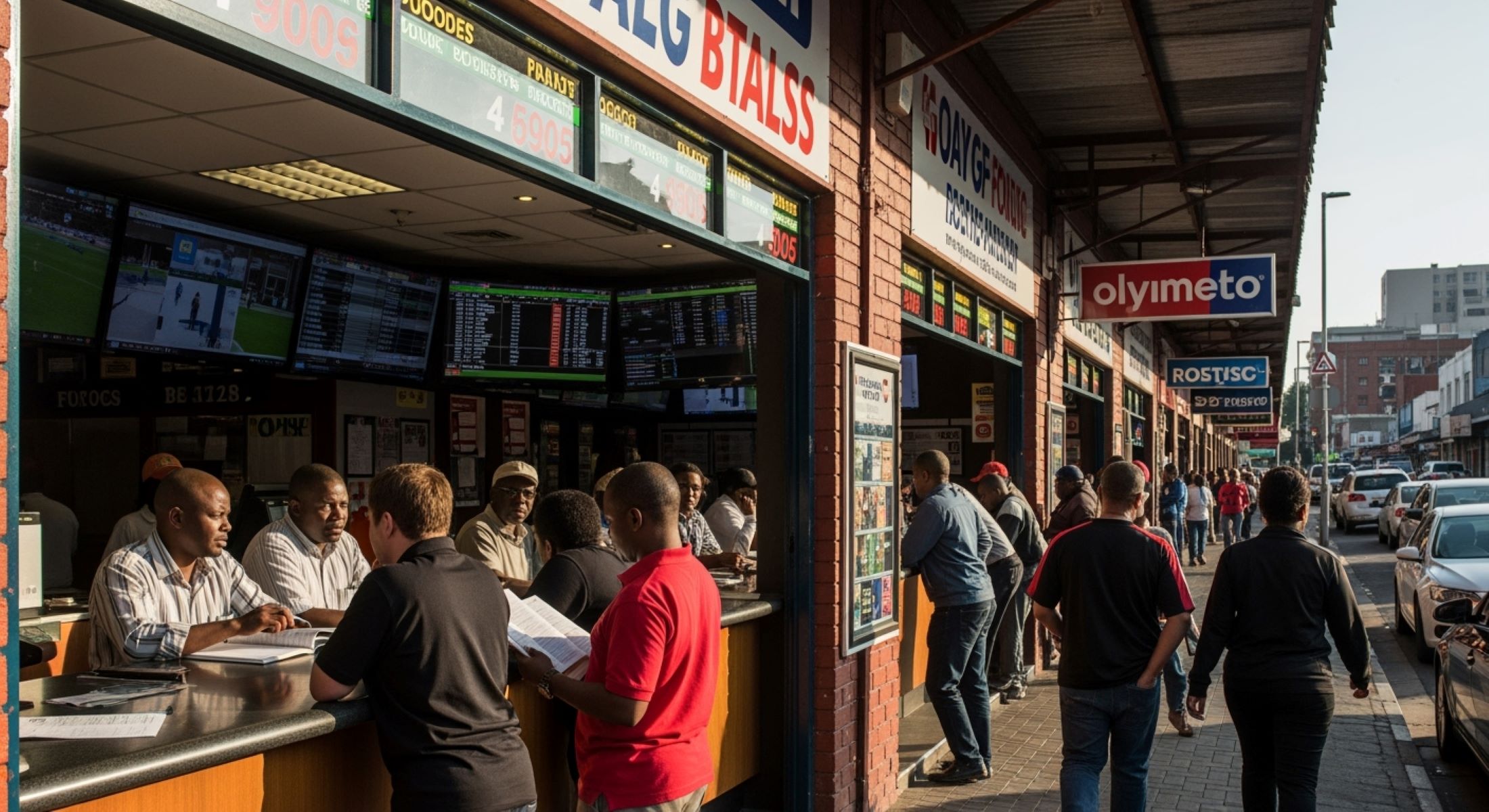
Betting in South Africa has come a long way. Remember the days when you’d stroll down to your local betting shop, place your bets in person, and watch the races or matches at the venue? Well, times have changed quite a bit. With the rise of smartphones and online platforms, the way South Africans bet has evolved dramatically. But that raises a question: Are there still offline betting shops left in South Africa? Let’s dive in and explore this fascinating shift.
The History of Offline Betting Shops in South Africa
Betting shops in South Africa have a rich history that reflects not only the evolution of gambling but also the social fabric of many communities. In the earlier days, these shops were much more than just places to place a wager—they were vibrant community hubs where people came together to share stories, discuss sports, and enjoy a sense of camaraderie. The atmosphere in these shops was lively, with familiar faces regularly gathering to watch horse races or football matches while placing their bets. For many, the betting shop was a social institution embedded within the daily rhythm of life.
Before the digital age, betting shops were the primary gateway for punters to participate in gambling. Since there was no internet or mobile technology, the process was straightforward and tangible: customers would visit the shop, fill out betting slips, and hand them to the clerk who would process the bet manually. This direct interaction made betting an accessible and straightforward activity for many South Africans, regardless of their technological know-how or financial background. The physical presence of these shops meant that betting was integrated into the local neighborhoods, making it a convenient pastime for millions.
As gambling regulation developed in South Africa, the role of licensed bookmakers became central to maintaining a legal and trustworthy betting environment. The National Gambling Board, alongside provincial regulatory bodies, established a framework to license and monitor betting operations. This legal oversight helped protect consumers from unscrupulous practices while ensuring the industry operated transparently. Licensed betting shops, therefore, not only provided a safe place for punters but also played a vital role in legitimizing gambling as a regulated form of entertainment.
Over the decades, this regulatory framework encouraged the growth of a widespread network of betting shops throughout South Africa. Despite the later rise of online betting platforms, these physical establishments maintained a strong offline presence, especially in towns and rural areas where internet access was limited. The legacy of offline betting shops remains important, as they continue to serve those who prefer traditional, face-to-face betting experiences. Understanding this history provides valuable context for the shifts we see today in South Africa’s betting landscape.
The Boom of Online Betting
- Technology revolutionized the betting industry by making it accessible to anyone with an internet connection, instantly changing how people place bets.
- One of the biggest reasons online betting took off is convenience. Players can now place bets anytime and anywhere, without needing to travel to a physical shop or worry about opening hours.
- Online platforms offer an incredible variety of betting options. Unlike offline shops that might focus on a handful of sports or events, online sites cover thousands of markets across dozens of sports, esports, and casino games.
- The aggressive bonuses and promotions available on online betting sites attract many new and existing players. Welcome bonuses, free bets, cashback offers, and loyalty rewards create extra value for users that offline shops typically cannot match.
- Live betting is another game-changer. Punters can watch matches or races live on their devices and place bets in real time, reacting to the action as it unfolds — something impossible in a traditional betting shop.
- The ease of depositing and withdrawing money online also appeals to bettors, with multiple payment options such as credit cards, e-wallets, and even cryptocurrencies, making transactions fast and secure.
- Mobile technology took the boom even further. Smartphones and apps mean bettors don’t even need a computer; betting is now literally at their fingertips anytime they want.
- Popular South African betting apps like Betway, Hollywoodbets, and Supabets have played a huge role in this transformation. They provide user-friendly interfaces, fast loading times, and a seamless experience that makes online betting smooth and enjoyable.
- These apps offer personalized features like push notifications for match updates, tailored promotions, and live streaming, keeping users engaged and connected.
- The rise of online betting apps has steadily pulled players away from physical shops, especially younger bettors who grew up with smartphones and prefer digital interaction.
- Online platforms also invest heavily in customer support through chatbots and live agents, enhancing user confidence and satisfaction.
- Social media and digital marketing have helped online bookmakers rapidly expand their user base, reaching punters who might never have walked into a traditional shop.
- Overall, the combination of technology, convenience, variety, and marketing power created a perfect storm that catapulted online betting ahead of offline shops in South Africa and around the world.
Are Offline Betting Shops Still Operational?
| Aspect | Description | Current Trends | Regional Variations | Future Outlook |
| Existence | Offline betting shops still physically exist in many areas across South Africa. | Though fewer in number than before, they remain operational in towns and cities. | More common in rural areas and smaller towns where online access is limited. | Likely to persist in niche markets but face ongoing pressure from online growth. |
| Foot Traffic | The number of customers visiting offline shops has been steadily decreasing. | Declining due to convenience of online betting and smartphone use. | Urban centers show the sharpest decline; rural regions maintain some steady traffic. | Without adaptation, shops may continue to lose customers, risking closure. |
| Hybrid Models | Some offline shops have adapted by becoming agents or facilitators for online betting platforms. | Combining traditional shop services with digital support helps retain clientele. | Hybrid models more prevalent in suburban and peri-urban areas where internet is patchy. | Hybrid models could be a key survival strategy, blending face-to-face service with online tech. |
| Demographic Preference | Older bettors and those less comfortable with technology still favor offline shops. | This demographic sustains demand despite shrinking overall market share. | Predominantly older age groups in smaller communities. | As younger generations dominate, offline preference may diminish but niche demand remains. |
| Cultural & Social Role | Offline shops serve as social meeting points, maintaining cultural significance in some areas. | Acts as a community hub for social interaction beyond just betting. | More pronounced in townships and rural areas where social venues are limited. | Cultural role may preserve some shops but won’t fully counter economic challenges. |
Challenges Faced by Offline Betting Shops
Offline betting shops in South Africa are currently grappling with significant challenges that threaten their survival in an increasingly digital world. One of the most pressing issues is the fierce competition from online betting platforms. These digital giants offer unparalleled convenience, allowing bettors to place wagers anytime and anywhere without leaving their homes. This level of accessibility has drastically shifted consumer behavior, drawing many punters away from the traditional brick-and-mortar shops. For offline operators, this means a steady decline in foot traffic, making it difficult to sustain their businesses solely through in-person betting.
Another major hurdle for offline shops is the high cost of operation. Unlike online platforms, which primarily invest in technology and digital infrastructure, offline shops must deal with tangible expenses such as rent, utility bills, and staff salaries. These fixed costs place a considerable financial strain on the business, especially when customer numbers are dwindling. Additionally, offline shops often have limited space and resources, restricting their ability to offer as wide a variety of betting options as their online counterparts. This limitation can discourage bettors who seek more diverse markets and live betting opportunities, which are readily available on digital platforms.
Marketing is another area where offline shops find themselves at a disadvantage. Online betting companies allocate substantial budgets to digital advertising, sponsorships, influencer partnerships, and targeted promotions. Their aggressive marketing strategies effectively attract and retain a younger, tech-savvy audience. In contrast, offline shops typically lack the funds and infrastructure to compete on the same level, resulting in less visibility and fewer new customers. This disparity further widens the gap between the two betting formats, as online operators continue to dominate the market share.
Consumer preferences are shifting rapidly, especially among younger generations who have grown up with smartphones and instant access to online services. This demographic naturally gravitates toward digital solutions that fit their fast-paced lifestyles and demand for convenience. As a result, offline betting shops are increasingly pushed to the fringes, appealing mostly to an older clientele less comfortable with technology. To survive, offline shops must find ways to innovate and adapt, but the combination of changing preferences, operational costs, limited offerings, and marketing challenges makes their future uncertain in South Africa’s evolving betting landscape.
How Offline Betting Shops Are Adapting
- Many offline betting shops have started acting as agents for online betting platforms, assisting customers with registering accounts and placing bets through digital channels while still providing face-to-face support.
- These shops are expanding their services beyond just accepting bets by offering facilities such as cash withdrawals and deposits, making them convenient financial hubs for bettors who prefer handling money physically.
- To attract and retain customers, some offline shops have begun hosting live viewing events for major sports matches, effectively transforming their venues into mini sports bars where bettors can socialize and watch games together.
- Offline shops are incorporating digital technologies like self-service betting terminals and tablets to speed up the betting process, giving customers a hybrid experience that combines personal interaction with modern convenience.
- Several betting shops have partnered directly with well-known online bookmakers to serve as physical outlets for promotions, customer support, and verification processes, bridging the gap between traditional and online betting.
- Some shops have improved their ambiance and customer experience by offering refreshments, comfortable seating, and entertainment options to make visits more appealing in the age of digital betting.
- Offline shops are using social media and local advertising more actively to engage with their communities, promote special events, and highlight their unique value propositions compared to purely online platforms.
- To cater to bettors who may lack easy internet access or digital literacy, these shops provide education and guidance on how to use online platforms safely and effectively.
- Offline betting shops are exploring loyalty programs and reward schemes that combine physical presence perks with online bonuses to keep their customers invested in both environments.
- In some regions, shops are integrating mobile payment solutions and QR codes to facilitate quicker transactions and seamless bet placement.
Regulatory Environment Impacting Offline Betting
| Aspect | Description | Regulatory Authority | Impact on Offline Shops | Challenges Faced |
| Legal Framework | South Africa’s gambling sector operates under a comprehensive legal framework to regulate betting. | National Gambling Board and Provincial Boards | Ensures that all operators, including offline shops, follow strict licensing and operational guidelines. | Complex licensing process can be costly and time-consuming for small offline operators. |
| Licensing Requirements | Licensing mandates fair play, responsible gambling measures, and protection of consumers. | Provincial Gambling Boards | Offline shops must maintain transparency, adhere to betting limits, and implement responsible gambling protocols. | Compliance can increase operational costs and require regular audits and reporting. |
| Consumer Protection | Regulations are in place to safeguard bettors from fraud and unethical practices. | Regulatory authorities | Licensed offline shops provide a safer betting environment, helping build trust with customers. | Failure to comply can lead to heavy fines, license suspension, or closure. |
| Taxation | Betting activities are subject to taxes and levies regardless of being offline or online. | South African Revenue Service (SARS) | Offline shops contribute to tax revenues but face the burden of taxation on lower sales volumes. | Smaller offline shops may struggle with tax obligations due to narrower profit margins. |
| Operational Complexity | The regulatory environment requires adherence to multiple laws and continuous compliance efforts. | Multiple regulatory bodies | Offline shops must invest in compliance management, staff training, and legal advice. | The complexity and cost of compliance can limit growth and push smaller shops out of the market. |
Comparing Offline and Online Betting: Pros and Cons
Offline betting shops offer a unique personal touch that many bettors still value highly. The face-to-face interaction between the customer and the shop staff creates a sense of trust and familiarity that can be comforting, especially for those who are new to betting or prefer human guidance. This direct communication allows bettors to ask questions, clarify doubts, and feel more confident in their wagers. Additionally, offline shops foster a social atmosphere where bettors gather, share tips, and enjoy the communal excitement of watching sports together. This social element turns betting into a shared experience, making it more than just a transaction.
Another significant advantage of offline shops is the immediacy of cash transactions. For many people, especially those who prefer handling physical money or don’t have access to digital payment methods, being able to place bets and receive winnings in cash is a major convenience. There is no need to navigate digital wallets or wait for bank transfers, which can sometimes be slow or complicated. This tangible exchange can feel more straightforward and secure for certain bettors, reinforcing their loyalty to traditional shops.
On the other hand, online betting platforms provide unmatched accessibility, operating 24/7 without any closing hours. Bettors can place wagers whenever and wherever they want, using their smartphones, tablets, or computers. This flexibility is ideal for people with busy lifestyles or those living far from physical betting shops. Online platforms also offer an extensive variety of betting markets, covering numerous sports, leagues, and even live events with real-time odds updates. This breadth and speed of information give online bettors far more options and opportunities than offline shops can typically provide.
Online platforms further attract users with generous bonuses and promotions that enhance the betting experience. Welcome offers, free bets, cashback deals, and loyalty rewards create extra value and excitement for players. Privacy is another key benefit; bettors can place wagers discreetly from the comfort of their own homes or on the go without worrying about being seen or judged. This combination of convenience, variety, rewards, and privacy makes online betting an appealing choice for many, even as offline shops continue to hold a special place for certain groups of bettors.